
Move the depot before you upgrade
Placement is the only free change in the game. A depot at the end of your lane is worth more than any early purchase, and it costs a walk instead of money.
// Sector /guide
Six pages covering the loop from the issued toothbrush to an automated sweeping operation. Every number is tagged with how it is known.
// Six systems
The dust loop gates everything else, so start there. Tools and capacity are one decision seen from two sides. Depots and vehicles only matter once a single pass pays for itself.

Where the time goes between a full canister and a paid shipment.
Open sector →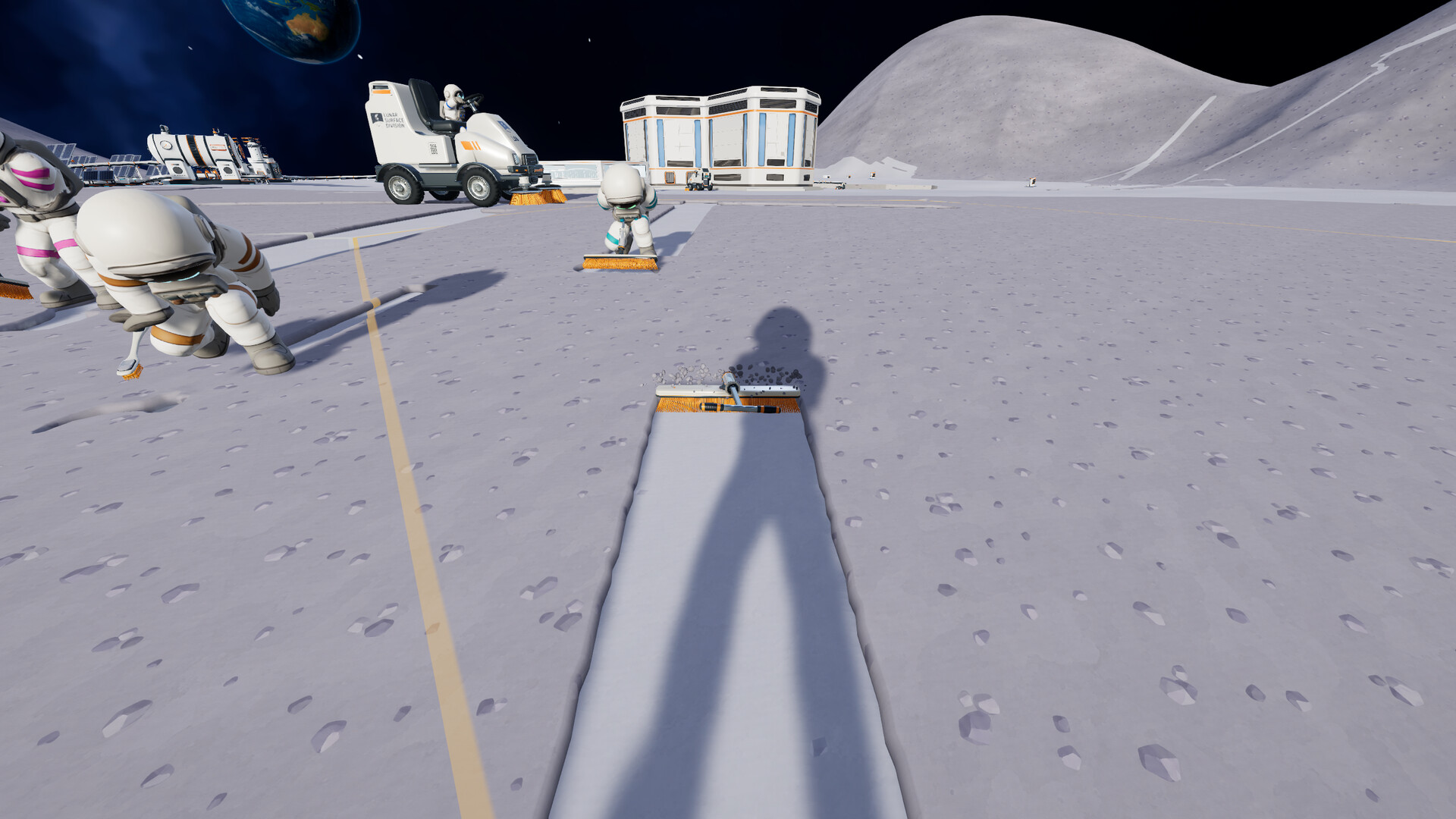
Width versus capacity, the tool belt, and which steps earn their price.
Open sector →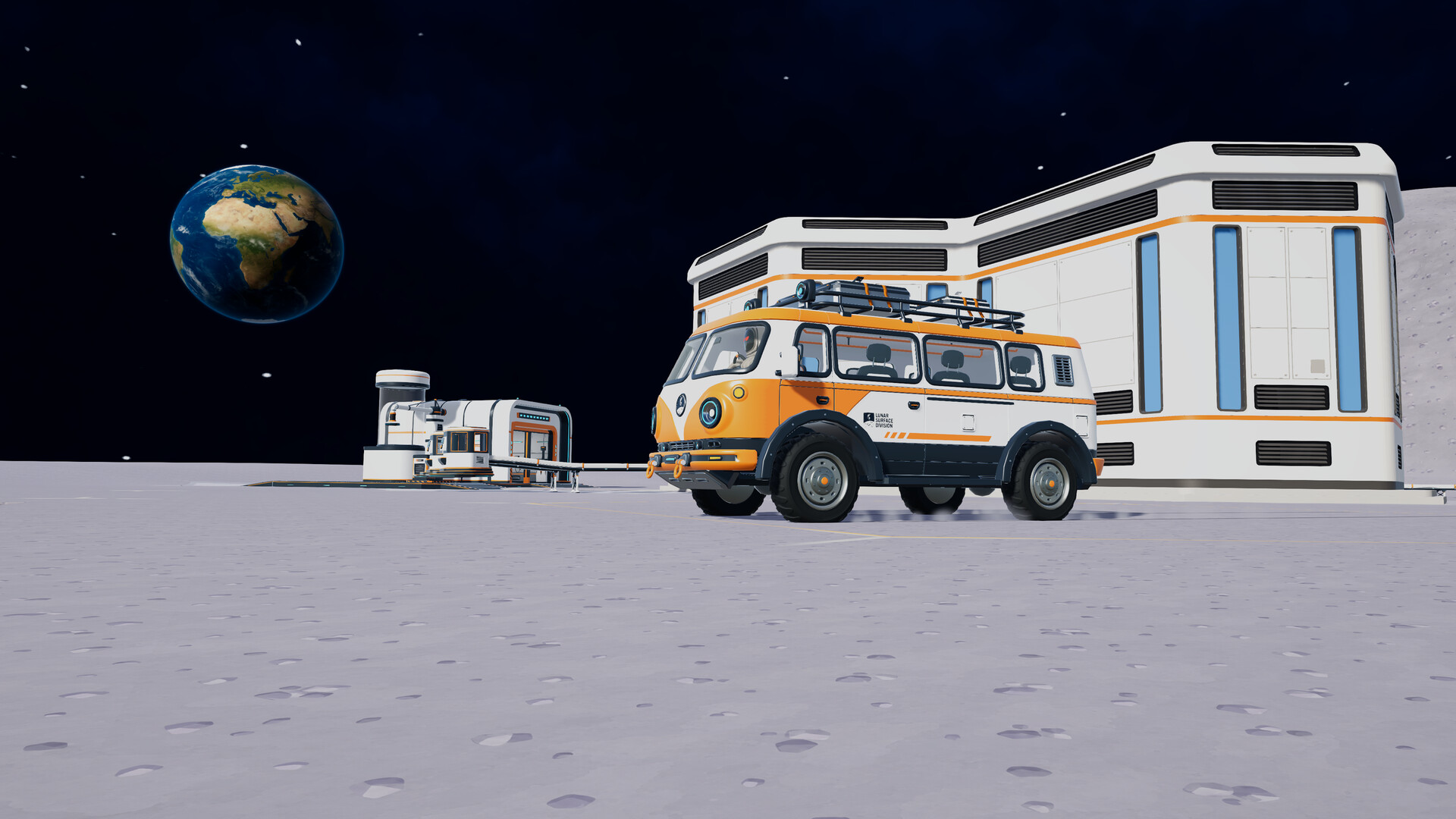
Canister size, capsule drops, and the threshold where storage pays.
Open sector →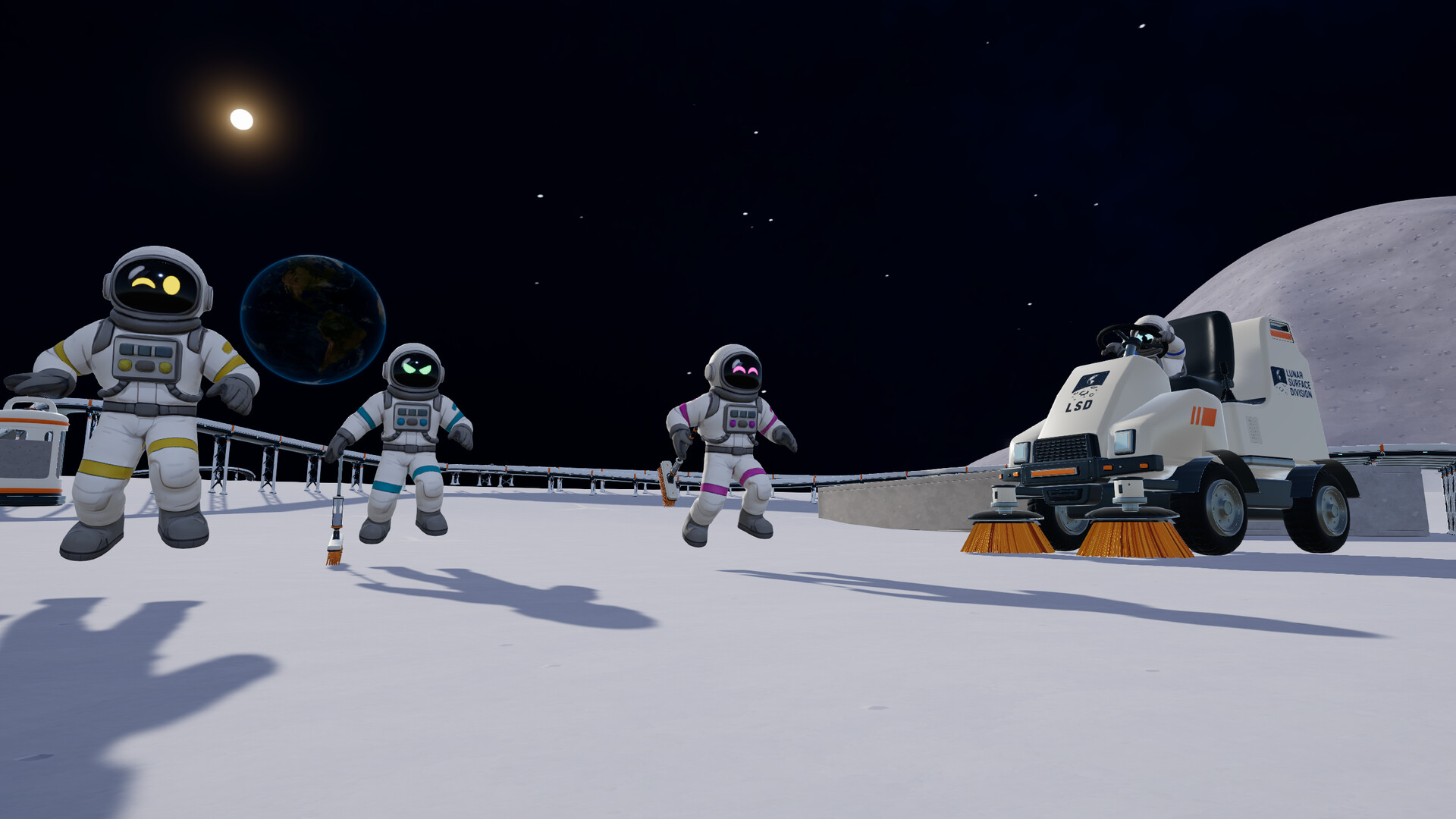
Placement, launch multipliers, and the cost of a long walk.
Open sector →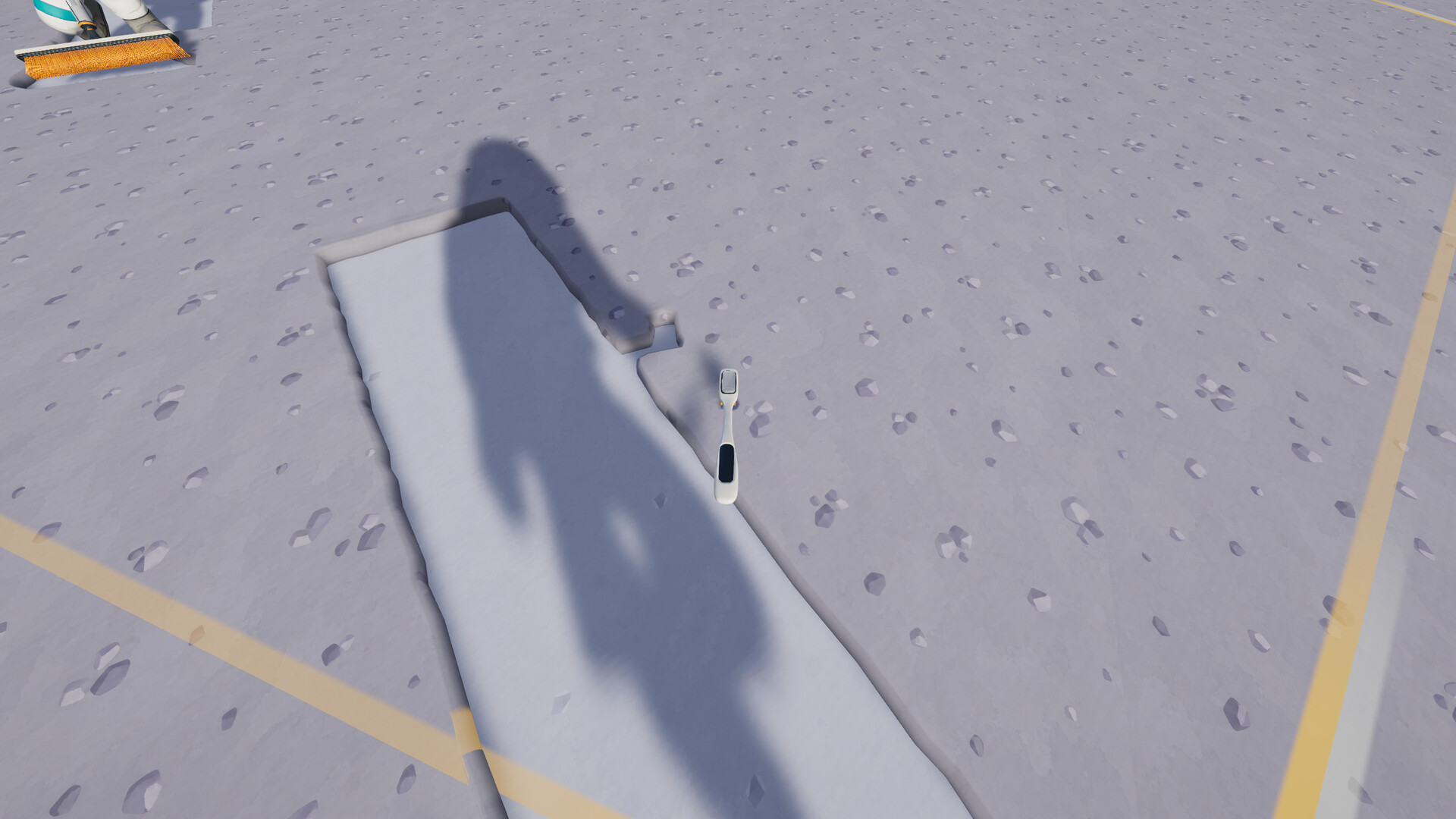
Push sweepers, autonomous roamers, and conveyor links.
Open sector →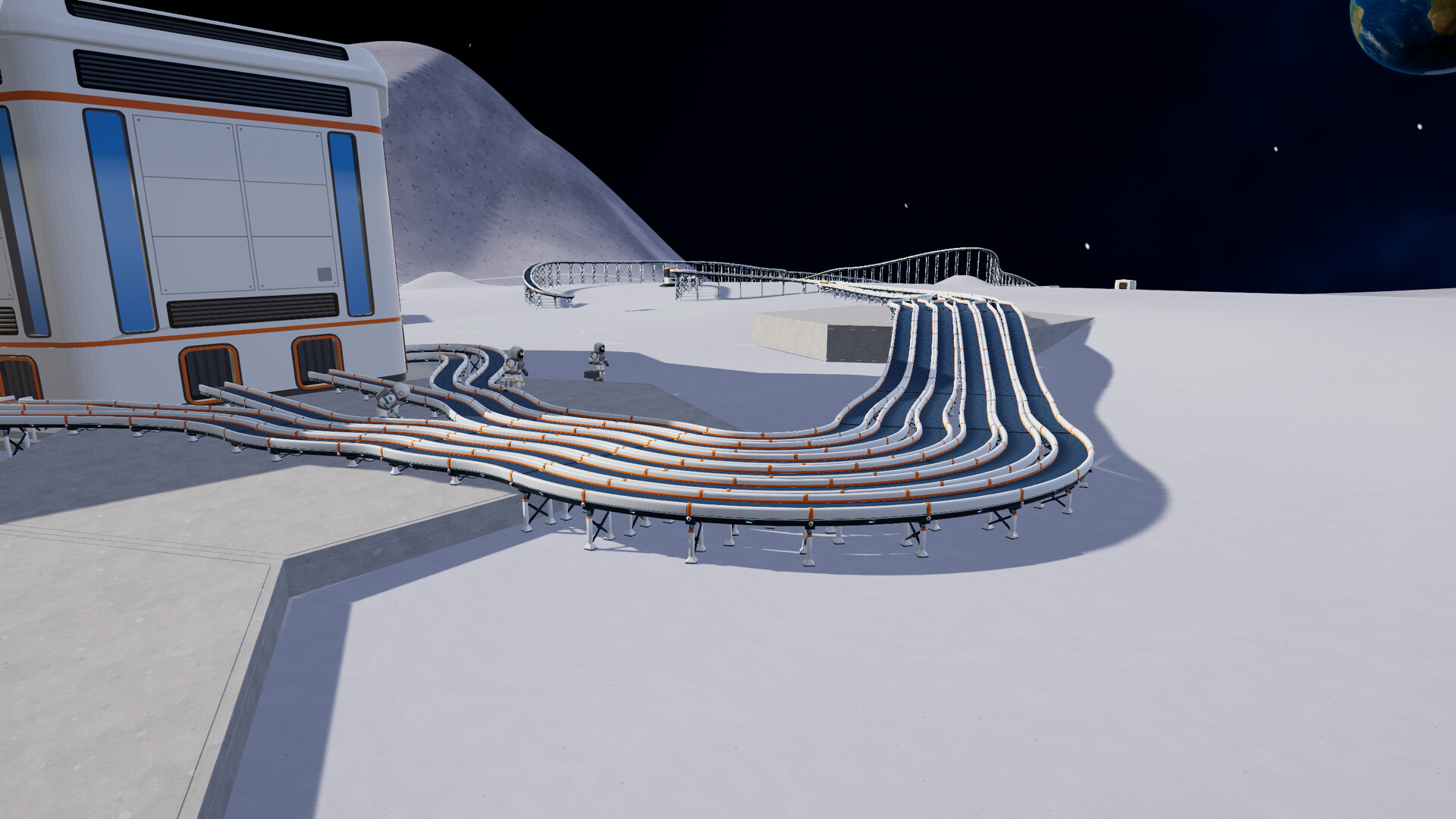
Progress tracking, strip planning, and panels that fight back.
Open sector →// Method
This manual separates what the game tells you from what a player measured. Store copy is treated as fact. Anything taken from a recorded session — a price tag, a percentage, the length of a walk — is labelled as an observation, because one run is not a rulebook.
Where the two disagree the page says so instead of picking the friendlier number. Where something is unannounced — dedicated servers, per-player payouts, post-launch content — the page says that too rather than filling the gap with a guess.
| Tier | Meaning | Example |
|---|---|---|
| Stated | Written on the store page or in app data | 16-player co-op, 8 GB minimum |
| Observed | Measured in one recorded session | Brush width +8% per step |
| Unannounced | Not published anywhere yet | Dedicated servers, split payouts |
// The one-page version
Five decisions account for most of the difference between a slow contract and a fast one. None of them involve skill.
Placement is the only free change in the game. A depot at the end of your lane is worth more than any early purchase, and it costs a walk instead of money.
Width raises the rate at which dust enters the canister. Container only decides when you stop. Widening compounds; storage does not.
A lane has an end, so you can finish it. A field has no boundary you can see while you are inside it, so you stop when you feel done, which is early.
It applies to every shipment for the rest of the contract. Buying it late is not fatal, it just means the small early shipments went out at the base rate.
Each further brush step is a percentage of a rate a machine is about to replace. The money is better spent on the machine.
Drop filled capsules along the lane and collect them on the way back. Three fills become one walk, and the walk is the only part of the cycle that pays nothing.
// Where to start
If you have not played yet, read the dust page first. It explains the four-step loop and the three numbers that describe your income, and every other page assumes you know them.
If you have played for an hour and feel stuck, jump to the tools page. The width-versus-capacity decision is where most early sessions go wrong, and it is the cheapest mistake to correct.
If you are planning to play with friends, the crew page is written to be read before the lobby opens rather than after. Lane assignment and one nominated hauler are worth more than any upgrade a first session can afford.